You flip on the kitchen light late at night and something darts across the floor. Or maybe you notice tiny droppings in the pantry, a faint scratching inside the wall, or a strange musty smell that was not there before. At first, it is easy to dismiss. Maybe it is nothing. Maybe it will go away on its own. The truth is that pest infestation rarely solves itself. What starts as a minor nuisance can quickly grow into a widespread problem affecting your home, your health, and your peace of mind. Pests are resourceful. Once they find food, water, and shelter, they settle in and multiply.
Understanding how infestations begin, how to spot them early, and how to respond effectively can prevent serious damage and long term stress. A proactive approach makes all the difference. Check out this website for more details: https://www.benspest.biz/.
What Is a Pest Infestation?
A pest infestation occurs when unwanted insects or animals establish themselves inside a property and begin reproducing. It is not just about seeing one or two intruders. An infestation means there is a stable presence, often with nesting, breeding, and consistent activity.
Common household pests include rodents, cockroaches, ants, termites, bed bugs, and flies. Each type of pest has its own behavior patterns and risks. Some contaminate food. Others damage structures. Some disrupt sleep and cause anxiety.
Infestations can occur in any type of property, regardless of size or age. Even clean and well maintained homes are vulnerable if conditions allow entry and survival. The key factors are access, moisture, and food supply.
Once pests become established, they can spread quickly. Many species reproduce at a rapid rate, turning a small issue into a widespread problem in a matter of weeks.
How Pest Infestations Begin
Pests are constantly searching for safe places to live. Your home provides warmth, protection from predators, and reliable food sources. Entry points are often smaller than you would expect. Tiny cracks in foundations, gaps around doors, damaged screens, and openings around utility lines can all serve as access routes.
Inside the home, simple habits can attract pests. Unsealed food containers, overflowing trash bins, and crumbs left on counters create easy meals. Leaky pipes and standing water offer hydration. Cluttered storage areas provide dark, quiet nesting spots.
Weather changes also influence infestation patterns. During colder months, rodents seek shelter indoors. In warmer seasons, insects become more active and may enter through open windows or doors.
In multi unit buildings, infestations can spread between units through shared walls and plumbing systems. This makes early detection and prompt treatment even more important.
Infestations often begin quietly. By the time visible signs appear, the pest population may already be well established.
Common Signs of a Pest Infestation
Recognizing the warning signs early can prevent extensive damage. Different pests leave different clues, but there are general indicators to watch for.
Droppings are one of the most common signs. Small pellets in cupboards, drawers, or along baseboards often point to rodents. Insects such as cockroaches may leave behind tiny dark specks.
Unusual sounds, especially at night, can signal activity inside walls or ceilings. Scratching, scurrying, or gnawing noises should not be ignored.
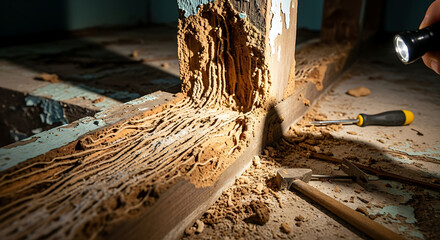
Damage to property is another red flag. Chewed wires, holes in food packaging, and shredded paper or fabric may indicate nesting behavior. Termites can cause wood to sound hollow when tapped.
Foul or musty odors sometimes accompany infestations. Dead pests hidden in walls or active colonies in confined spaces can create persistent smells.
Visual sightings during daylight hours often suggest a larger problem. Many pests are nocturnal. If you see them frequently during the day, it may mean the population has grown significantly.
The earlier you respond to these signs, the easier it is to control the infestation.
Health Risks Associated with Pest Infestation
Pest infestations pose more than just structural risks. They can also threaten physical and mental health.
Rodents are known carriers of various pathogens. Their droppings and urine can contaminate surfaces and food supplies. Inhaling particles from dried waste may lead to respiratory issues.
Cockroaches can trigger allergies and asthma, especially in children. Their shed skin and waste particles become airborne and irritate sensitive airways.
Bed bugs, while not typically linked to disease transmission, cause itchy bites and sleep disruption. Ongoing infestations can lead to stress, anxiety, and fatigue.
Flies and other insects that land on waste or decaying matter may transfer bacteria to kitchen surfaces. This increases the risk of foodborne illness.
Even termites, which primarily damage wood, create indirect health risks by weakening structural integrity. Compromised floors or ceilings can become safety hazards.
Living with a pest infestation often creates psychological stress. Constant worry about contamination or nighttime activity can affect overall well being.
The Structural Damage Pests Can Cause
Some pests do more than contaminate. They destroy.
Termites are among the most destructive household pests. They feed on cellulose found in wood, quietly weakening beams, flooring, and framing. Because they operate inside walls and under floors, the damage often remains hidden until it becomes severe.
Rodents chew constantly to keep their teeth from overgrowing. Electrical wiring, insulation, and wooden supports are common targets. Damaged wiring increases the risk of electrical fires.
Carpenter ants tunnel through wood to build nests. While they do not consume wood like termites, their excavation still compromises structural strength.
Even small insects can cause cumulative damage. Pantry pests contaminate dry goods, leading to food waste and repeated replacement costs.
Over time, structural repairs related to infestations can become expensive. Addressing the problem early prevents larger financial burdens later.
Why DIY Solutions Often Fall Short
When faced with pests, many homeowners turn to store bought sprays, traps, or powders. These methods may reduce visible activity temporarily. However, they rarely address the root cause.
Sprays might kill insects on contact but leave hidden nests untouched. Traps can catch a few rodents while others continue breeding behind walls. Without identifying entry points and nesting areas, infestations often return.
Improper use of chemical treatments can also pose health risks. Over application or mixing products incorrectly may expose residents and pets to harmful substances.
Professional pest control focuses on comprehensive assessment. Identifying the species, understanding its behavior, and locating the source are critical steps. Treatment plans are tailored to the specific infestation rather than relying on general solutions.
While professional services require investment, they often provide more reliable and lasting results.
Preventing Future Infestations
Prevention is the most effective strategy against pest infestation. Once an infestation has been resolved, maintaining a pest resistant environment reduces the likelihood of recurrence.
Sealing cracks and gaps in exterior walls is a practical first step. Installing door sweeps and repairing damaged screens limits access. Keeping vegetation trimmed away from the structure removes potential bridges for insects and rodents.
Inside the home, proper food storage is essential. Airtight containers prevent pests from accessing dry goods. Regular cleaning eliminates crumbs and spills that attract insects.
Managing moisture plays a major role. Fixing leaks promptly and using ventilation in damp areas discourages pest survival. Dehumidifiers can help in particularly humid environments.
Routine inspections, especially in basements, attics, and storage areas, allow you to catch early signs before they escalate. Awareness and consistency are key.
Prevention does not require perfection, but it does require attention. Small efforts performed regularly create strong protection over time.
Conclusion: Taking Pest Infestation Seriously Protects What Matters Most
Pest infestation is not simply an inconvenience. It is a challenge that affects health, safety, and property value. From subtle warning signs to visible structural damage, the impact can grow quickly if ignored.
Understanding how infestations begin and recognizing early indicators empowers homeowners to act promptly. Addressing the problem thoroughly, rather than relying on temporary fixes, ensures better long term results.
A home should feel safe and comfortable. By staying vigilant, maintaining cleanliness, sealing entry points, and seeking professional help when needed, you protect both your living space and your peace of mind.
Taking pest infestation seriously today prevents greater problems tomorrow. Consistent attention and proactive care make it possible to keep your home secure, healthy, and truly your own.