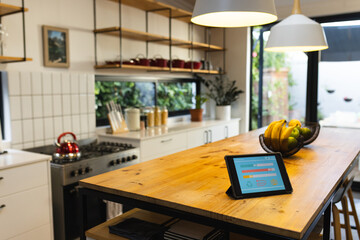
A smart kitchen enhances cooking experiences by automating tasks and simplifying control. Whether it’s preheating an oven remotely or suggesting recipes based on what’s in your fridge, smart devices take the guesswork out of meal planning.
Energy efficiency features like smart dishwashers and ranges optimize energy usage and help reduce long-term utility costs. And, centralized app-based systems make it easy to manage appliances from any location. Visit https://jrcsi.com/ for more details.
Voice-Controlled Assistants
Voice-controlled assistants like Siri, Alexa, and Google Assistant are changing the way people interact with their kitchen appliances. These smart devices can be accessed through a mobile app and can be controlled through voice commands, making them easy to use and convenient. They can be programmed to turn on or off at specific times, keep track of groceries and recipes, and provide personalized cooking suggestions based on ingredients you already have on hand.
Many smart appliances also offer hands-free cooking options. This can be a great convenience when your hands are full of food or other messy materials, and it allows you to set timers or start cooking without having to take off your gloves. Other features include automatic defrost and preheat, recipe search capabilities, and digital touch screens that allow you to control your appliance from the comfort of your chair.
Some smart appliances are designed to monitor operational metrics and detect anomalies, alerting users when maintenance is due or components need replacing before a failure occurs. This can help reduce downtime and minimize energy usage.
As voice recognition technology continues to improve, the functionality of these devices is growing. For example, new voice assistants can recognize more language nuances and respond to questions with more natural and understandable responses than ever before. In addition, some devices are equipped with advanced food voice recognition to automatically set cooking modes and adjust settings for different foods, such as French fries or chicken. This will help make your cooking more efficient and effective. Some even offer a virtual cookbook with a variety of recipes. This is a great feature for new cooks or those who want to streamline their kitchen routines.
Programmable Lighting
The idea of a smart kitchen is an appealing one – sleek appliances that magically come to life with a voice command, ovens that perfectly bake every dish, and refrigerators that keep your inventory stocked. While the promise of advanced technology can transform your kitchen into a streamlined, organized workspace, it’s essential to choose the right gadgets.
A reliable smart kitchen should integrate the latest technologies with an easy-to-use user interface. Programmable lighting adjusts based on your activities, from bright white lights to warmer tones that set the mood for family dinners. This makes it easier to manage cooking tasks while reducing the risk of accidental burns or cuts.
Innovative kitchens are also moving toward hands-free operation, making them even more user-friendly. Motion sensors or a simple tap on the touchpad can open cabinets when you’re reaching for ingredients. Smart drawers are another handy option that can conceal USB ports and standard outlets, allowing you to charge devices and accessories without cluttering countertops.
Many of today’s smart kitchen gadgets integrate with other connected home systems, allowing you to control your entire household from a single interface. This streamlined, simplified approach can eliminate the need for multiple apps on your phone, streamlining your digital life.
With food prices rising and consumer interest in sustainability growing, it’s more important than ever to incorporate sustainable practices into your daily routine. Smart kitchen technology helps you minimize waste and maximize efficiency with features that track consumption and provide recipe suggestions based on your available resources.
In addition to reducing the amount of waste your family creates, smart kitchen appliances can save you money on energy costs. Smart fridges, for example, use internal cameras to monitor your inventory and optimize energy usage, while programmable settings ensure that they only operate when you’re at home. Some appliances even alert you when maintenance is needed, preventing costly breakdowns.
Smart Appliances
The heart of the modern home is making a major shift from traditional appliances and kitchen gadgets to smart technologies. Using advanced technology to simplify cooking, storing food and even cleaning up makes life more enjoyable. Imagine a blender that knows when to stop by itself or an oven you can control remotely with your smartphone.
Typically, smart devices are controlled through apps or voice assistants like Alexa and Google Assistant. These features make it easy to set timers, convert measurements and get step-by-step cooking instructions without having to touch the device. Many smart kitchen appliances are also designed with hands-free cooking, which is perfect when your hands are covered in flour or other ingredients. These technologies can save you a lot of time and energy, especially when cooking for a large crowd.
A smart refrigerator can keep track of its contents and alert you when items are close to expiring, reducing wasted food and cutting back on grocery costs. It can even recommend recipes that work with the available ingredients. These devices are ideal for those with dietary restrictions or who want to maintain a healthy diet.
Another way a smart kitchen can help is by lowering your utility bill. Many smart appliances automatically shut off or use less energy when not in use, which reduces phantom power consumption. Other ways to conserve energy include connecting your appliances to a power strip for bulk shut-off, scheduling them to run during off-peak hours and educating family members on energy-saving habits.
When selecting smart appliances, it is important to consider compatibility with other devices in your home and ease of use. Look for models that are compatible with your preferred smart home system and backed by a manufacturer with a good reputation for support and updates. Also, choose appliances that meet your energy needs and budget.
Innovative Storage Solutions
The modern kitchen has become a place where families multitask, work, unwind, and reconnect. In this environment, smart technology helps simplify daily tasks and reduce the friction that often occurs during home meal preparation. Fortunately, you can integrate smart kitchen gadgets into your new kitchen remodel without disrupting its aesthetic or overall functionality. The key is to choose technology that aligns with your lifestyle and coordinates with other elements of the design.
For example, a smart coffee maker can schedule brewing times and customize settings through an app on your phone, ensuring your favorite cup is ready when you wake up. Additionally, a smart lighting system can adjust to the time of day, shifting from bright, energizing daylight hues to warmer, more relaxing tones at night. This adds a touch of personalization to the space while enhancing safety through motion sensors and automatic adjustments.
Other high-tech appliances that are popular among homeowners include programmable slow cookers, smart ovens with built-in temperature probes, and smart air fryers that are controlled through smartphone apps or voice commands. Meanwhile, a smart refrigerator tracks expiration dates and suggests recipes based on ingredients you have on hand, while connected faucets offer precise temperature and flow control with water-saving capabilities.
Smart home technology can also simplify storage solutions and keep counters clear of clutter. For example, a hidden outlet can accommodate electronics and other devices behind a cabinet door, while European-style cabinets with concealed wiring offer a seamless aesthetic that elevates your kitchen’s style. In addition, a smart pull-out pantry eliminates the need for crouching and straining to reach items in back corners. This feature saves your back, knees, and shoulders while keeping bulky cookware and appliances easily accessible to every family member.
Smart Layout
The definition of smart kitchen technology is a bit loose, but it generally boils down to devices that are either Wi-Fi enabled or AI powered. Wi-Fi enabled simply means the device can connect to a mobile app or internet network, while AI-powered implies the ability to complete tasks and make decisions that were previously completed and made by humans.
Voice-controlled appliances are one of the most popular smart features on the market, as they allow users to control their devices using just their voice. These appliances can preheat the oven, turn on the coffee maker, or even create a grocery list by simply saying, “What would you like to cook tonight?”
Another feature that is becoming increasingly popular is hands-free cooking. With the use of internal cameras and AI, some smart appliances can identify what is in the fridge or pantry, then recommend recipes based on those ingredients. This can help homeowners avoid food waste while also streamlining the grocery shopping process. Additionally, some appliances can track the nutritional content of meals and provide dietary recommendations to support specific health goals.
The beauty of Smart Layout is that it doesn’t just support a single design approach. Whether you want to create a dynamic magazine layout, a clean corporate homepage, or a creative portfolio grid, Smart Layout can handle it all with ease. This is accomplished by allowing designers to set up different layouts within the same framework, while ensuring that the underlying Smart Layout system intelligently scales elements across all sizes without losing their proportions and placement. This is accomplished by toggling the Smart Layout switch on an artboard or component group in the right Properties panel.