Electrical systems are the silent backbone of modern homes and commercial buildings, powering everything from lighting and climate control to essential equipment and appliances. Yet behind walls and ceilings, aging wires, overloaded circuits, and neglected panels can quietly evolve into serious fire hazards. Fire prevention through proper electrical maintenance and timely upgrades is not simply a technical recommendation; it is a fundamental responsibility for property owners who value safety, efficiency, and long-term asset protection. By understanding how electrical failures occur and implementing proactive strategies, it is possible to significantly reduce the risk of devastating electrical fires.
Electrical fires rarely happen without warning. In many cases, they are the result of gradual deterioration, excessive load demand, or improper modifications. Over time, wiring insulation can degrade, connections may loosen, and circuit breakers can weaken. When electrical components fail to function as intended, heat builds up. This heat, when combined with flammable materials within walls or ceilings, can ignite a fire. Proper Nash Electric LLC maintenance focuses on identifying these vulnerabilities before they escalate into emergencies.
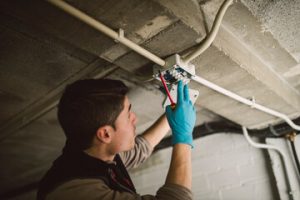
One of the most common causes of electrical fires is circuit overload. As properties evolve and technology advances, electrical demand increases. New appliances, entertainment systems, and charging stations are often added without evaluating the capacity of the existing electrical panel. When circuits are forced to carry more current than they were designed for, overheating occurs. Breakers are meant to trip in these situations, but older panels or malfunctioning breakers may fail to respond properly. Routine inspections ensure that circuits are balanced and that panels are capable of handling current loads.
Outdated wiring systems present another significant risk. In older properties, wiring materials may no longer meet modern safety standards. Insulation can become brittle, increasing the likelihood of exposed conductors and short circuits. Aluminum wiring, for example, can expand and contract more than copper, potentially loosening connections over time. Professional electricians assess the condition of wiring and recommend targeted upgrades to mitigate risk. Replacing aging wiring may seem like a substantial investment, but it is far less costly than repairing fire damage or facing safety liabilities.
Loose electrical connections are a subtle yet dangerous issue. When wires are not tightly secured to terminals, electrical resistance increases at the connection point. This resistance generates heat, and over time, that heat can char surrounding materials. Regular electrical maintenance includes tightening connections within panels, outlets, and switch boxes. Thermal imaging inspections are often used to detect hotspots that are invisible to the naked eye. Identifying these anomalies early is a powerful preventive measure.
Electrical panels serve as the central distribution point for power throughout a property. If a panel is outdated or undersized, it may struggle to accommodate modern energy requirements. Signs of panel distress include frequently tripped breakers, flickering lights, or unusual buzzing sounds. These symptoms should never be ignored. Upgrading to a higher-capacity panel ensures proper load distribution and reduces strain on individual circuits. It also provides space for additional breakers, eliminating the unsafe practice of double-tapping circuits or relying on extension cords.
Another critical aspect of fire prevention is proper grounding and bonding. Grounding systems provide a safe pathway for excess electrical current, particularly during surges or lightning events. Without effective grounding, voltage spikes can damage equipment and create ignition hazards. Bonding ensures that all metallic components are electrically connected, reducing shock risks and improving system stability. Maintenance checks verify that grounding rods, conductors, and bonding jumpers remain intact and corrosion-free.
Preventive electrical maintenance typically involves a structured approach designed to address both visible and hidden risks. While the scope varies depending on property size and usage, the core components often include:
- Comprehensive Electrical Inspection – Evaluating wiring, outlets, panels, and circuits for wear, damage, or code violations.
- Load Analysis and Circuit Balancing – Ensuring that electrical demand is evenly distributed and does not exceed system capacity.
- Breaker Testing and Replacement – Verifying that protective devices trip correctly under fault conditions.
- Upgrading Outdated Components – Replacing aging wiring, panels, or fixtures that no longer meet safety standards.
This systematic process forms the foundation of an effective fire prevention strategy.
Surge protection is another often-overlooked element of electrical safety. Power surges can occur due to lightning strikes, utility fluctuations, or large equipment cycling on and off. Even small surges, repeated over time, can degrade wiring insulation and sensitive electronics. Installing whole-building surge protection devices helps shield circuits from these transient spikes. By limiting voltage surges, property owners reduce the risk of overheating and subsequent ignition.
Faulty outlets and switches also contribute to fire hazards. Discoloration, warmth to the touch, or sparking when plugging in devices are clear warning signs. Outlets that are loose or improperly installed can cause arcing, a phenomenon where electricity jumps across gaps between conductors. Arcing produces intense heat capable of igniting nearby materials. Modern safety devices such as arc fault circuit interrupters are designed to detect and shut down dangerous arc conditions. Upgrading to these protective technologies significantly enhances fire prevention efforts.
Appliances and heating equipment further increase electrical load, especially in commercial environments or high-occupancy buildings. Improperly maintained equipment may draw irregular currents, placing strain on circuits. Routine servicing of appliances, combined with electrical evaluations, ensures that wiring and outlets are suited to operational demands. Dedicated circuits for high-powered equipment reduce overload risks and improve reliability.
Electrical code compliance plays a central role in fire prevention. Safety standards are periodically updated to address emerging risks and technological advancements. Properties built decades ago may not meet current requirements, leaving them vulnerable to hazards that modern codes are designed to prevent. Professional electrical upgrades align systems with contemporary safety guidelines, improving both protection and insurability.
In addition to inspections and upgrades, property owners can adopt everyday practices that reduce fire risk. These habits complement professional maintenance and reinforce overall safety:
- Avoid Overloading Outlets – Limit the use of multi-plug adapters and extension cords for high-powered devices.
- Replace Damaged Cords Immediately – Frayed or cracked cords expose conductors and increase ignition risk.
- Unplug Unused Equipment – Reducing continuous load minimizes heat buildup.
- Schedule Regular Professional Evaluations – Periodic assessments catch emerging issues before they become critical.
While these steps may seem simple, their consistent application contributes meaningfully to fire prevention.
Commercial properties often face additional challenges due to higher electrical consumption and complex distribution systems. Restaurants, manufacturing facilities, and office buildings rely on extensive wiring networks that operate continuously. In such environments, even minor electrical faults can escalate rapidly. Implementing preventive maintenance schedules, documenting inspections, and upgrading infrastructure when necessary are essential components of operational risk management.
Insurance considerations also reinforce the importance of electrical maintenance. Insurers frequently evaluate electrical systems when determining coverage eligibility and premium rates. Properties with documented upgrades and regular inspections may qualify for favorable terms. Conversely, neglected systems can result in higher premiums or denied claims in the event of fire damage. Investing in preventive maintenance not only enhances safety but also supports financial stability.
Technology continues to advance, offering new tools for monitoring and protection. Smart electrical panels provide real-time data on energy usage and circuit performance. These systems can alert property owners to unusual load patterns or overheating conditions. Integrating smart monitoring with traditional maintenance practices creates a comprehensive fire prevention framework that combines human expertise with automated detection.
It is important to recognize that electrical systems are dynamic. As new devices are introduced and energy needs evolve, systems must adapt accordingly. What was sufficient a decade ago may no longer be adequate today. Proactive upgrades prevent reactive crisis management. Replacing outdated components before failure occurs is a hallmark of responsible property stewardship.
Ultimately, fire prevention through proper electrical maintenance and upgrades is about foresight. Electrical fires can cause catastrophic property loss, business interruption, and even injury or loss of life. Yet many of these incidents are preventable through diligent care and timely improvements. By prioritizing inspections, modernizing panels, securing connections, and integrating advanced protective devices, property owners create a safer environment for occupants and assets alike.
The value of electrical maintenance extends beyond fire prevention alone. Efficient, well-maintained systems operate more reliably, reduce energy waste, and extend the lifespan of connected equipment. Safety and efficiency go hand in hand. When electrical infrastructure is treated as a critical investment rather than an afterthought, the results are measurable in both performance and peace of mind.
In the end, electrical systems demand respect. They power daily life, but they also carry inherent risks if neglected. Through consistent maintenance and thoughtful upgrades, property owners can transform potential hazards into secure, dependable energy networks. Fire prevention begins not with emergency response, but with proactive action. Taking steps today to strengthen electrical infrastructure ensures a safer tomorrow for every occupant and every structure connected to the grid.